How a 7-Year-Old's Music Class Idea Became a Real EdTech App
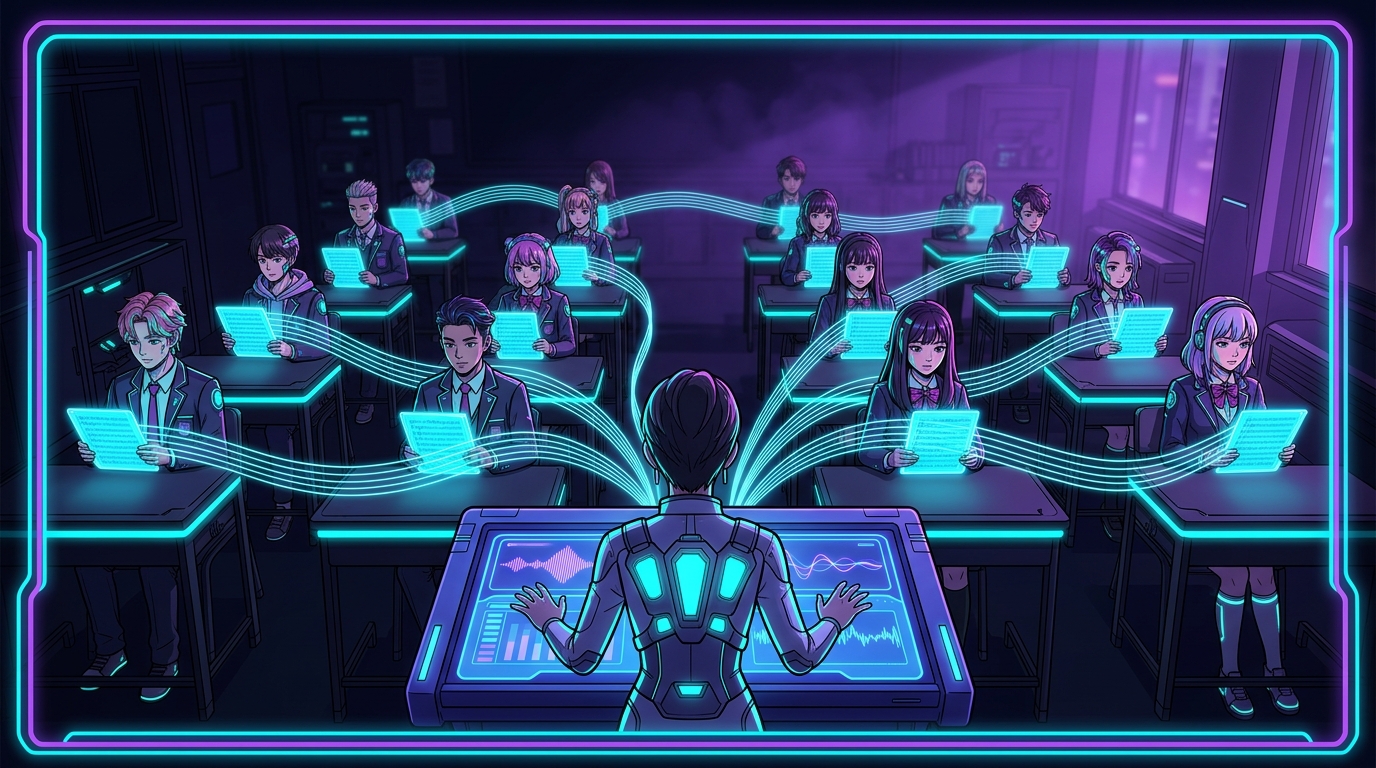
My son burst through the door buzzing with an app idea — real-time sheet music streaming to every student's device at once. So we built it. The origin story of Classroom Rhythm.
Teaching tips, Science of Reading insights, and stories from educators using game-based phonics instruction.
My son burst through the door buzzing with an app idea — real-time sheet music streaming to every student's device at once. So we built it. The origin story of Classroom Rhythm.
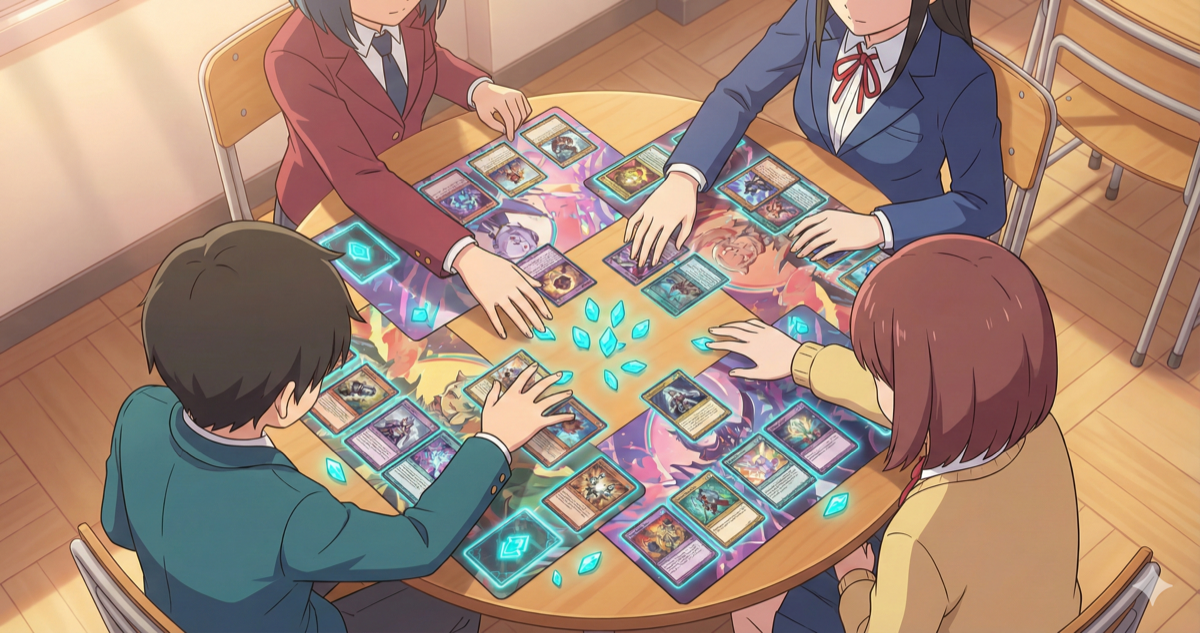
The Spirit Evolution Board Game makes ER/IR/UR practice feel like a quest. Here's how all 6 differentiated versions work — from Simplified to Challenge — and three classroom setups that deliver real decoding reps.
Three spellings, one sound — ER, IR, and UR are where many readers stall. Here's why a decodable comic is the right format for this pattern, and how to grab one free.
R-controlled vowels break the rules students just learned. Here's what makes them a common stumbling point, why they're the foundation of the Vibe-Verse starter set, and how game-based practice supports orthographic mapping.
From Tier II pull-outs to literacy centers, here are five tested setups that maximize engagement and data collection during your 20-minute intervention block.
Korean and Mandarin translations aren't just a nice touch — they're a research-backed scaffold. Learn how L1 support accelerates L2 phonics acquisition in the card game format.
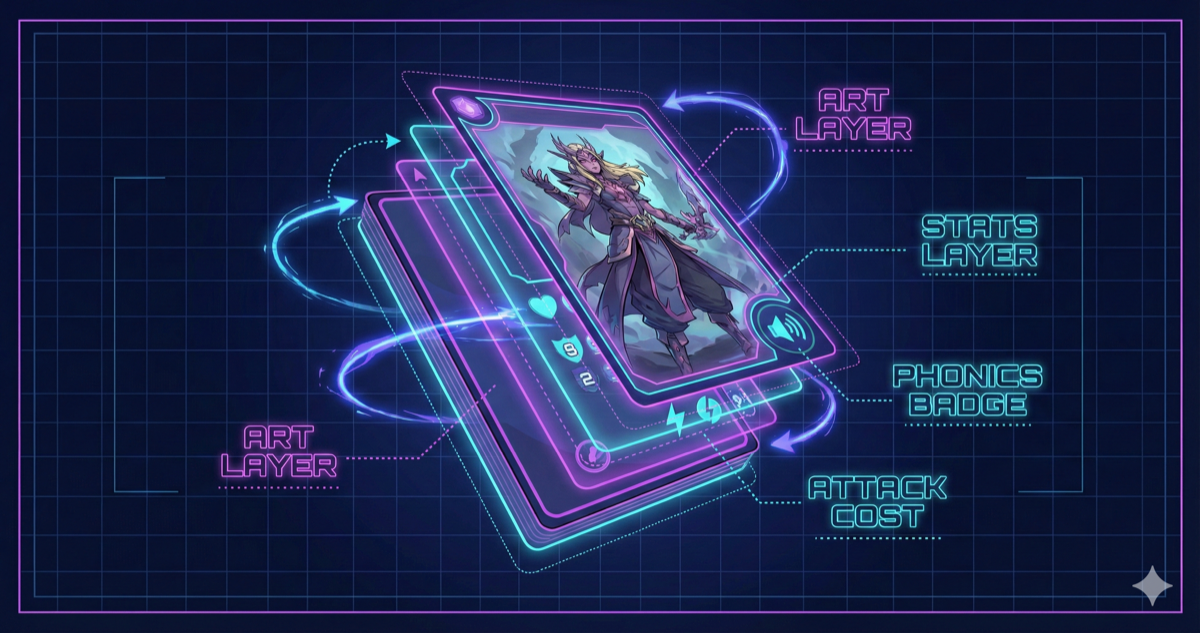
From the phonics pattern badge to the attack cost system — every element on a Vibe-Verse card serves a pedagogical purpose. Here's the breakdown.
Use the included Curriculum Alignment Guide to show admin exactly how Vibe-Verse maps to UFLI, Science of Reading standards, and your school's intervention framework.
A step-by-step walkthrough for your very first game session — from printing tips to managing excited students who've never seen anime-style phonics cards before.